
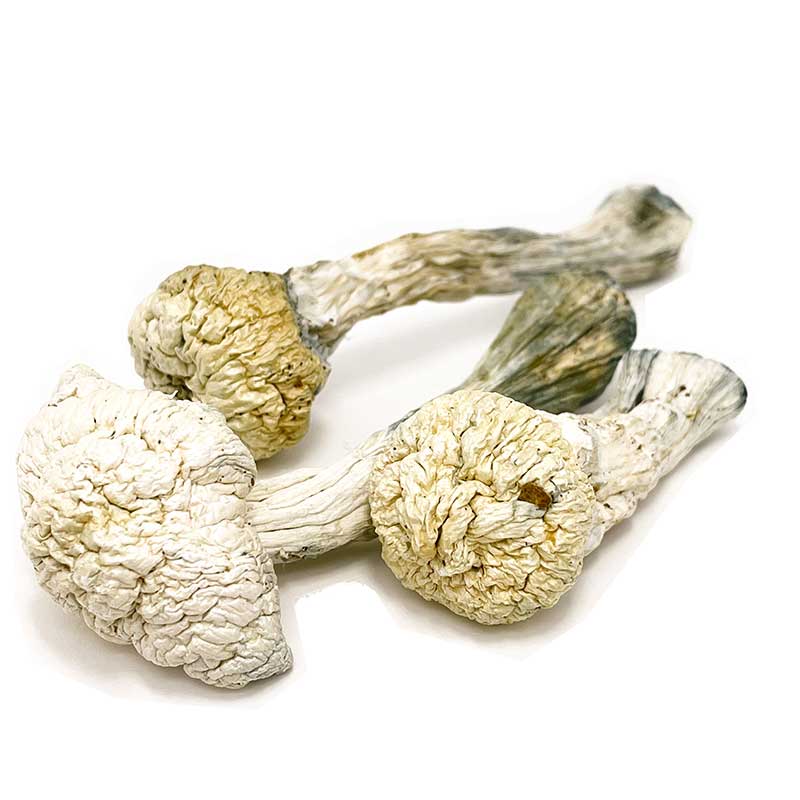
Albino Avery Mushroom
Original price was: $170.00.$150.00Current price is: $150.00.
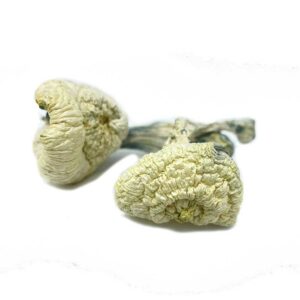
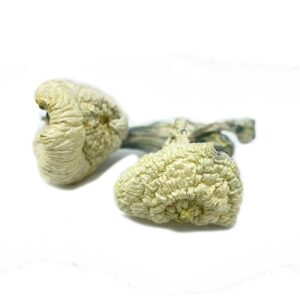
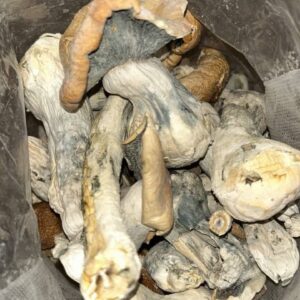
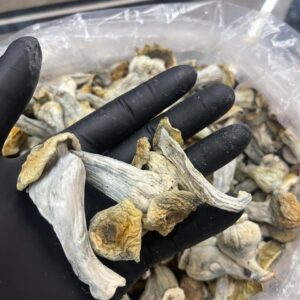
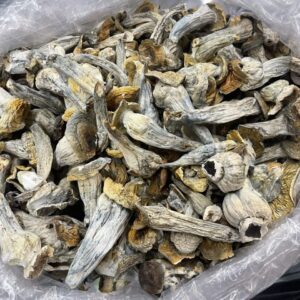
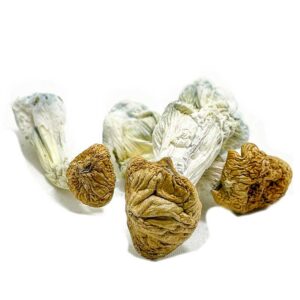
Albino Avery (often called Averys) is a rare and highly sought-after strain of Psilocybe cubensis. In the psychedelic and “mycology” (mushroom study) communities, they are considered an “elite” or “boutique” strain because of their striking appearance and high potency.
1. Origin and Genetics
• The Mutation: Albino Avery is a “true albino” mutation of the Avery strain, which itself is a variant of the Cambodian strain.
• “True” Albino: Most “white” mushrooms are actually leucistic (they have some pigment). Albino Avery is special because it lacks pigment entirely—even its spores are white/transparent, which is very rare in the mushroom world.
2. Physical Appearance (The “Ghost” Mushroom)
These are perhaps the most beautiful mushrooms for social media branding (like the psychedelic account we discussed) because they look otherworldly:
• Color: They are pure, ghost-white from the cap to the base of the stem.
• Texture: They often have a smooth, almost waxy appearance.
• Bruising: When touched or “bruised,” they turn a very deep, vibrant electric blue. This blue color is a sign of high psilocybin content reacting with oxygen.
• Gills: Even the gills underneath the cap stay white or a very pale cream color.
3. Potency and Effects
Albino Averies are known for being significantly more potent than standard strains like Golden Teachers or B+.
• Fast Onset: Users often report that the effects hit very quickly—sometimes within 15 to 30 minutes of consumption.
• The “Cerebral” High: While the African Transkei mushrooms we discussed are known for “geometric visuals,” Albino Averies are known for an intense “head high.” They are very introspective, thought-provoking, and can lead to deep “ego dissolution” (feeling one with the universe).
• Visuals: They still produce strong visuals, but they are often described as “soft,” “dream-like,” and “glowing” rather than the sharp patterns of the Transkei.
4. Cultural Context (The “Designer” Mushroom)
In the modern “Trap” and “Underground” scenes, Albino Averies are often treated as a “designer” or “luxury” product.
• Aesthetic: Their pure white look is a major status symbol on accounts that focus on high-end psychedelic culture.
• Exclusivity: Because they are slightly harder to grow than standard brown mushrooms, they often command a higher price on the street or in “Social Clubs” in places like Spain or the Netherlands.




Reviews
There are no reviews yet.