


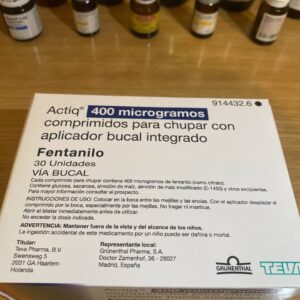


Fentanyl 400 mg

Original price was: $150.00.$130.00Current price is: $130.00.
Fentanyl is the most powerful opioid used in modern medicine. While it is a miracle for people in extreme physical agony, its potency is so high that even a microscopic error in dosage is fatal, making it the most dangerous substance currently found in the illegal pharmaceutical market.
Fentanyl is a potent, synthetic opioid analgesic that is used medically as a painkiller and anesthetic. It is a Schedule II controlled substance and is part of the phenylpiperidine class of drugs.
To define it clearly, it helps to look at it from three perspectives:
1. The Medical Definition
Clinically, fentanyl is a “mu-opioid receptor agonist.” It is designed to treat breakthrough pain (pain that “breaks through” other medications) in patients with advanced cancer or those undergoing major surgery.
• Potency: It is 50 times stronger than heroin and 100 times stronger than morphine.
• Administration: In a hospital or under a doctor’s care, it is administered via skin patches (transdermal), “lollipops” (lozenges), or intravenous (IV) injection. It is never legally sold as a loose powder or a “street pill.”
2. The Pharmaceutical Definition (The “Why”)
Fentanyl is preferred in medical settings because it is lipophilic (fat-soluble), which allows it to cross the blood-brain barrier almost immediately.
• Rapid Onset: It works much faster than the Oxycodone (Aristo/Sandoz) or Codeine (Toseina) you asked about.
• Short Duration: It leaves the system relatively quickly, which allows doctors to control pain during surgery without the drug staying in the patient’s body for days.
3. The “Illicit” or “Street” Definition
• The “Adulterant”: It is used as a cheap “filler” to make other drugs stronger. Because it is so powerful, a tiny amount can make a low-quality batch of drugs feel “pure.”
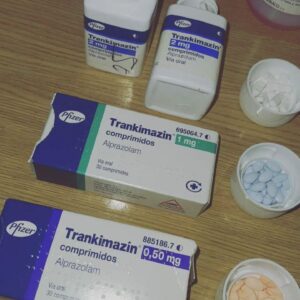
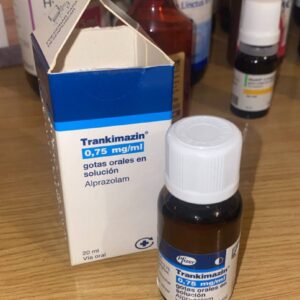
• The Counterfeit: It is the primary ingredient found in fake Trankimazin (Alprazolam) bars and fake Oxycodone tablets. Because it is synthetic, it is made in labs rather than being grown in poppy fields, making it very cheap for illegal labs to produce.




Reviews
There are no reviews yet.