

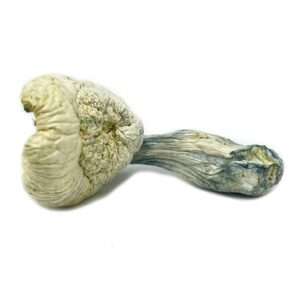
Great White Monster Mushroom

Original price was: $150.00.$130.00Current price is: $130.00.
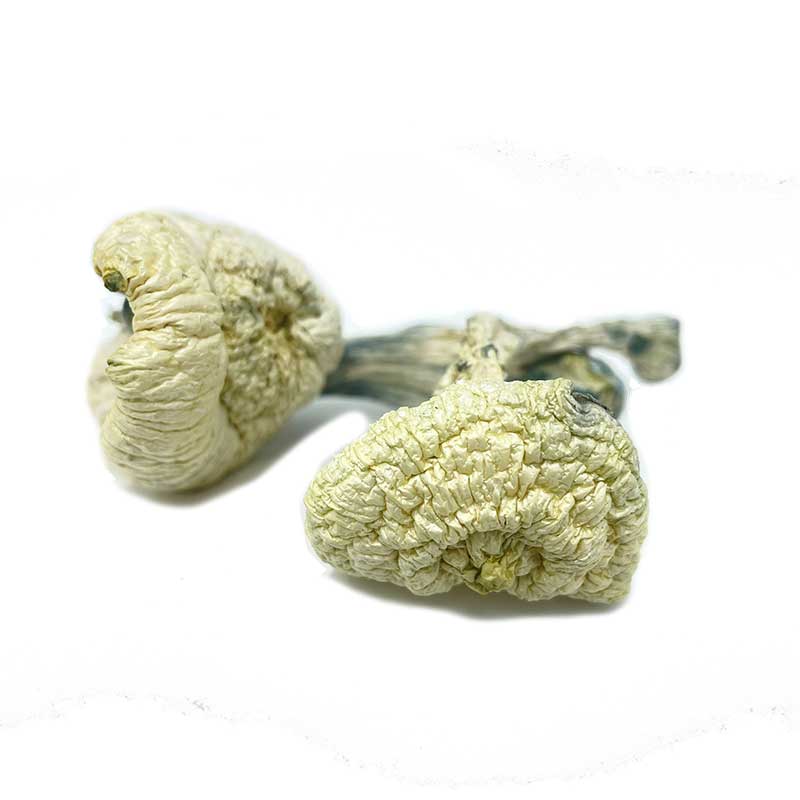
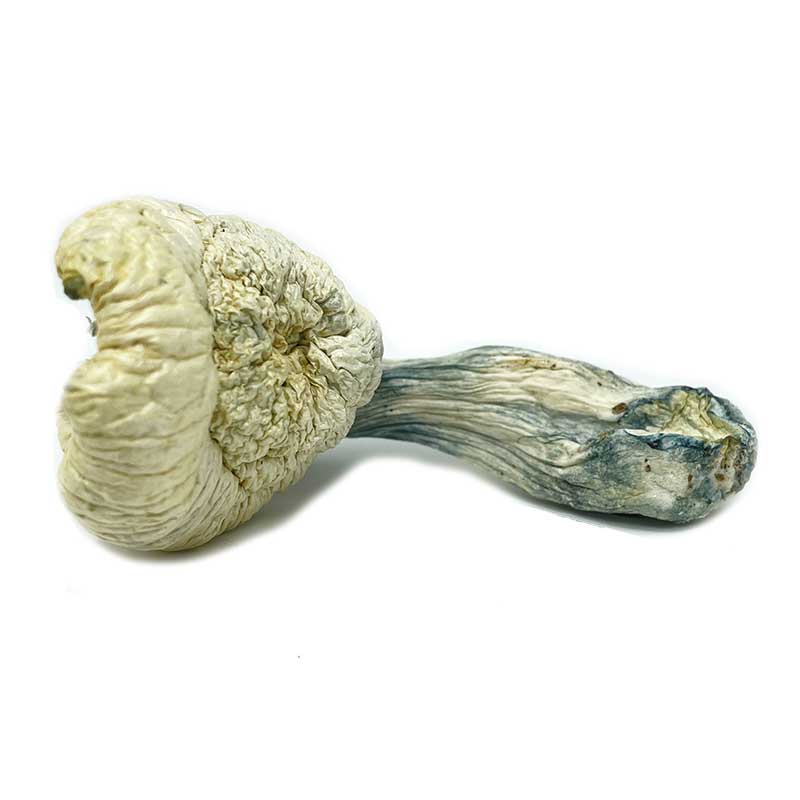
Great White Monster (often abbreviated GWM) is a relatively modern, leucistic (mostly white or pale) strain of Psilocybe cubensis magic mushrooms. It is prized by growers and users for its striking appearance and reportedly high potency. Like other P. cubensis, it contains the psychoactive compounds psilocybin and psilocin.
Appearance and Identification
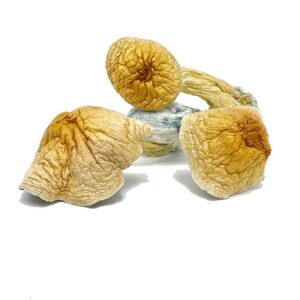
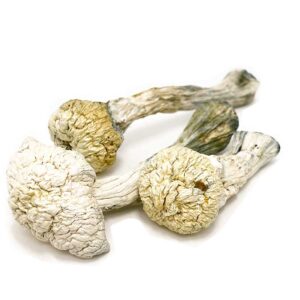
Great White Monster stands out due to its leucistic or albino-like traits: very pale, almost white to creamy-yellow caps and stems with minimal pigmentation. The caps are typically large and rounded (convex to broadly convex), often with a slight umbo when young. Stems are thick and robust, and the fruits can grow quite large—hence the “Monster” part. Like most cubensis, they bruise blue when handled, gills mature from grayish to purplish-black, and a veil remnant (annulus) may be visible on the stem. They often fruit in dense clusters with impressive size and density.
Effects
Users often describe GWM experiences as intense, visual, and euphoric, with strong psychedelic effects including vivid colors, geometric patterns, fractals, enhanced senses, time distortion, and deep introspection or emotional insights. Some report a “clean” or energetic quality compared to other strains, with potential for profound mood elevation or therapeutic-like benefits (e.g., reduced anxiety in supportive settings). Onset is typically 15–60 minutes, peak at 1–2 hours, total duration 4–6+ hours, with possible afterglow.51607c
It is considered highly potent (often labeled “extreme” by vendors), with psilocybin content estimates around 0.5–0.9% or higher by dry weight—significantly above average for many standard cubensis strains (which hover around 0.5–0.8%). Potency varies by flush, conditions, and individual mushrooms, so treat it as stronger than classics like Golden Teacher.
Dosage Guide (Dried Mushrooms)
Because of its reported higher potency, start lower than with average strains. Dosing is highly individual (body weight, tolerance, set & setting are critical):
Microdose: 0.05–0.2 g (subtle mood/cognitive benefits, minimal visuals)
Low/Threshold: 0.3–1.0 g (mild euphoria, sensory enhancement)
Moderate: 1–2 g (strong visuals, introspection—recommended starting point for this strain)
High/Strong: 2–3.5+ g (intense experience, potential ego dissolution; only for experienced users)
Fresh weight is ~10x higher. Techniques like lemon tek may intensify and accelerate effects. Always test a small amount first with a new batch.bc04b5
Cultivation and History
GWM is a hybrid strain, with origins often linked to crosses involving Albino A+ (or A+) and strains like Puerto Rican or PES Hawaiian (details vary across sources and may be anecdotal). It was reportedly discovered or popularized by growers in the mycology community. It grows relatively slowly but produces large, hardy fruits with good yields on standard substrates (grain spawn, manure/coir mixes). It’s popular among cultivators for its unique looks and resilience.
Legality and Risks
Psilocybin mushrooms are illegal in most countries, including (based on your location), under controlled substance laws. Some places have decriminalized personal amounts or allow supervised therapeutic use, but possession, cultivation, or distribution can lead to penalties—verify local laws.
Risks include:
Challenging trips (anxiety, confusion, or “bad trips”)—best managed with a safe environment and experienced sitter.
Physical: Nausea, increased heart rate, muscle tension (more common with higher doses).
Variable potency and individual sensitivity.
Psychological: Can trigger or worsen issues in those with mental health vulnerabilities (e.g., psychosis history—avoid in such cases).
Misidentification if foraging (always dangerous with wild mushrooms).
Psilocybin has very low addiction potential and is under research for therapeutic applications (depression, anxiety, etc.), but it is not risk-free or a replacement for professional care.
Compared to Golden Teacher (balanced, insightful) or Goldie (uplifting, creative), Great White Monster is generally regarded as more visually intense and potent due to its genetics and leucistic traits.
Harm reduction is essential: use in a controlled setting, have a trip sitter if needed, stay hydrated, and avoid mixing with other substances. If this is for educational interest in mycology, the variety of P. cubensis strains showcases fascinating genetic diversity in cultivation.






Reviews
There are no reviews yet.