
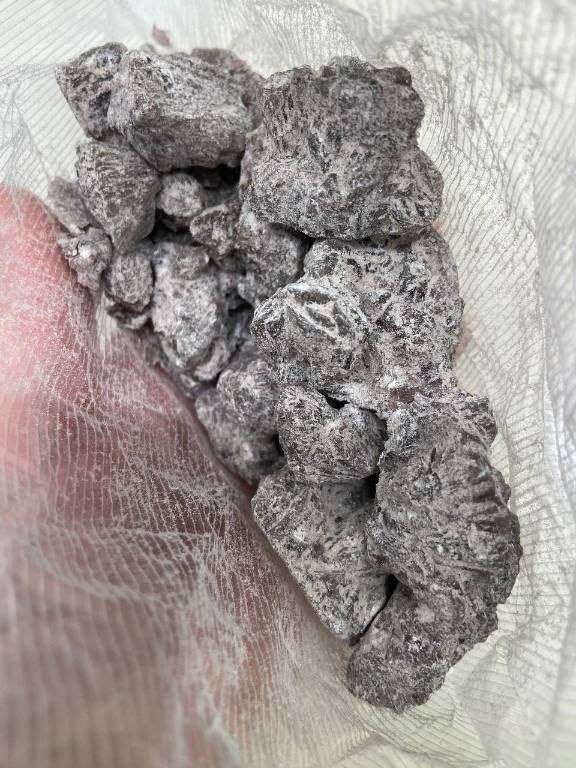
Ecstasy Molly

Original price was: $160.00.$110.00Current price is: $110.00.
MDMA (3,4-Methylenedioxymethamphetamine), commonly known as Ecstasy or Molly, is a synthetic psychoactive drug with stimulant and mild hallucinogenic (psychedelic/entactogen) effects. It belongs to the substituted amphetamine class and is known for producing feelings of euphoria, increased energy, emotional openness, empathy, and enhanced sensory perception.
Pharmacology and Effects
MDMA enters neurons via monoamine transporters and reverses their function, causing a massive release of serotonin (primarily), dopamine, and norepinephrine. Effects typically begin 30–45 minutes after oral ingestion, peak at 60–90 minutes, and last 3–6 hours. Common short-term effects include:
Euphoria, emotional warmth, and empathy (“entactogenic” effects).
Increased energy, alertness, and sociability.
Enhanced tactile sensations, music appreciation, and sensory experiences.
Mild visual distortions or time distortion.
Elevated heart rate, blood pressure, body temperature, and jaw clenching.
Users often take it in social settings like festivals or clubs. Doses range from 50–150 mg; “stacking” or redosing is common but increases risks.
Medical and Therapeutic Uses
MDMA is a Schedule I substance in the US with no currently approved medical uses for recreational forms. However, it has been studied extensively as an adjunct to psychotherapy for PTSD. Phase 3 trials showed promising results, with many participants no longer meeting PTSD criteria after MDMA-assisted therapy sessions. The FDA granted “breakthrough therapy” status in 2017 but rejected approval in 2024, citing needs for additional data on safety, efficacy, trial design issues (e.g., blinding), and other concerns. Research continues, and limited medical/therapeutic use exists in some countries or trials.


Reviews
There are no reviews yet.