
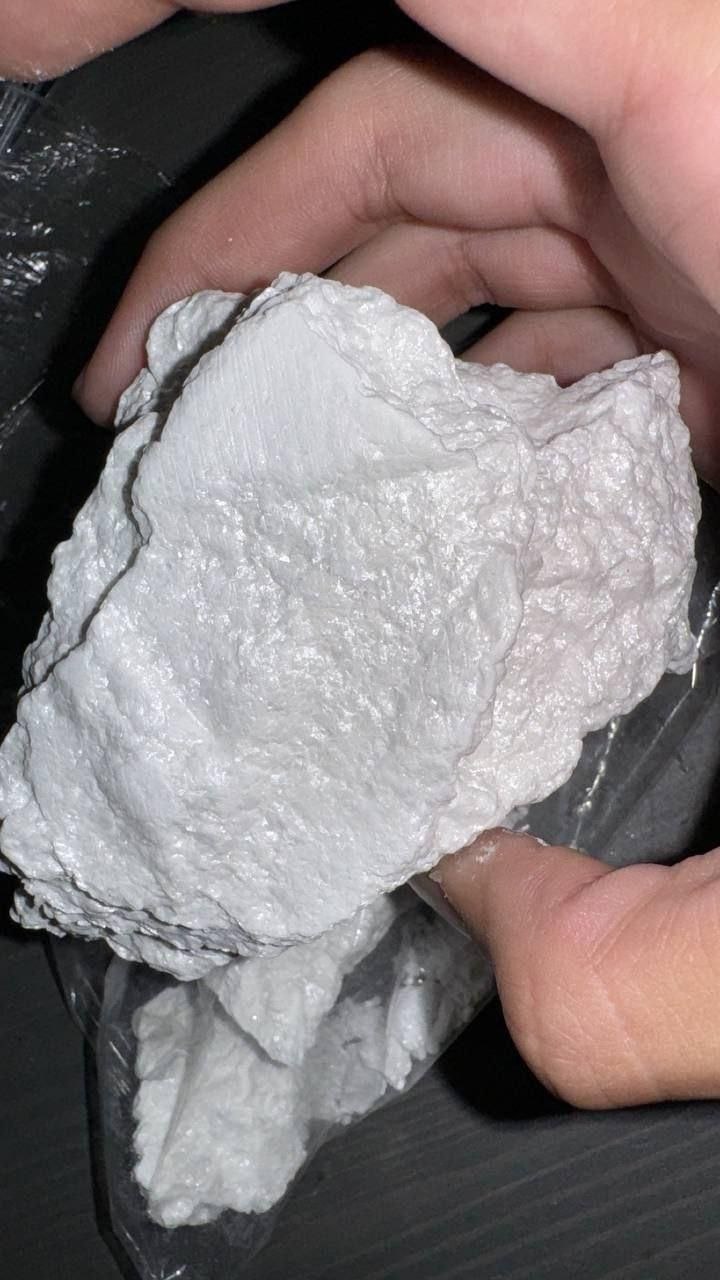

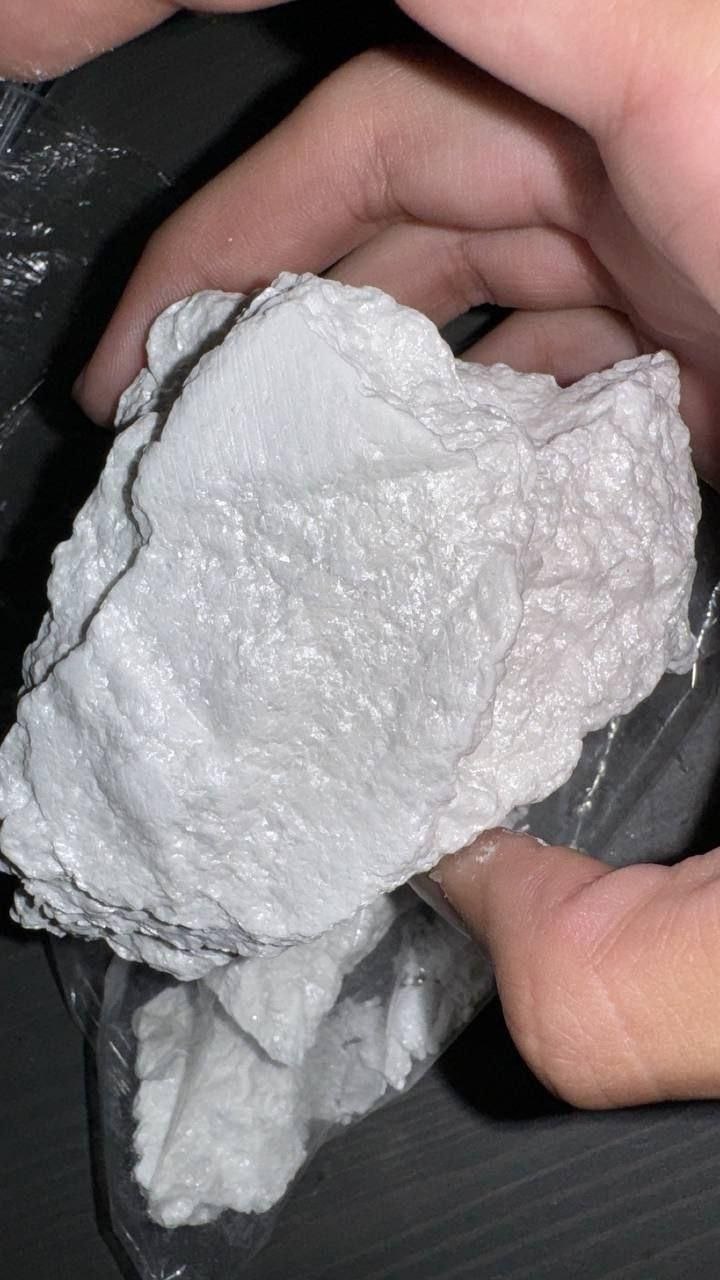


Cocaine
Original price was: $137.00.$90.00Current price is: $90.00.
Cocaine is a powerful central nervous system stimulant and tropane alkaloid extracted from the leaves of the coca plant (Erythroxylum coca and E. novogranatense), native to South America. It is best known as an addictive recreational drug but has limited, highly restricted medical applications as a topical local anesthetic.
Coca is cultivated primarily in the Andean countries of Colombia, Peru, and Bolivia, with Colombia supplying about 90% of the cocaine reaching the United States. Leaves are processed in remote jungle labs into crude cocaine paste, then refined into cocaine base and finally cocaine hydrochloride powder. Global production reached a record 3,708 tons in 2023, up 34% from the prior year. Most U.S.-bound cocaine enters via Mexico. The trade causes significant environmental damage (deforestation, soil erosion, pesticide pollution) and fuels violence through transnational organized crime.
Pharmacology and Mechanism of Action
Cocaine acts primarily as a serotonin–norepinephrine–dopamine reuptake inhibitor (SNDRI). It blocks the dopamine transporter (DAT), causing dopamine, serotonin, and norepinephrine to accumulate in the synaptic cleft. This produces euphoria, heightened alertness, and reinforcing effects. It also blocks sodium channels (local anesthetic effect) and causes vasoconstriction. Onset is rapid (seconds to minutes depending on route); duration is 20–90 minutes; plasma half-life is about 1 hour. It is metabolized mainly by plasma esterases into benzoylecgonine and other metabolites.


Reviews
There are no reviews yet.