
-
×
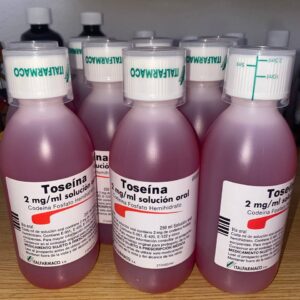 Toseina 2 mg
1 × $80.00
Toseina 2 mg
1 × $80.00
Subtotal: $80.00
Description: Learn what psychedelics are, how they work, their effects, risks, and history in this beginner-friendly guide. Discover the basics before exploring further.
Psychedelics are a group of substances that can temporarily change the way a person thinks, feels, and experiences the world. They may alter perception, emotions, mood, and the sense of time or self. Many people describe the experience as a “trip.”
For thousands of years, different cultures have used certain psychedelic plants and mushrooms in religious, spiritual, and healing ceremonies. Today, scientists are also studying psychedelics for their potential role in mental health treatment under controlled medical settings.
Important: The effects of psychedelics vary greatly depending on the substance, dosage, the person’s mindset, and the environment. Some psychedelics are illegal in many countries, and they can carry serious risks.
Most classic psychedelics affect the brain by interacting with serotonin receptors, especially the 5-HT2A receptor. Serotonin is a natural chemical involved in mood, learning, memory, and perception.
As a result, users may experience:
=Enhanced colors and sounds
=A different sense of time
=Visual distortions or hallucinations
=Strong emotions
=Feelings of connection or self-reflection
Often called “magic mushrooms,” these naturally contain psilocybin, which the body converts into psilocin
Typical effects:
=Visual changes
=Euphoria
=Emotional insights
=Altered thinking
LSD (Lysergic acid diethylamide), commonly known as “acid,” is a potent, long-lasting hallucinogenic drug. It synthetically alters a person’s thoughts, perceptions, and mood by interacting with serotonin receptors in the brain
Typical effects
=Intense visual experiences
=Heightened senses
=Deep thoughts
=Changes in perception
DMT (N,N-Dimethyltryptamine) is a powerful, naturally occurring psychedelic compound. It belongs to the tryptamine family and is known for producing intense, short-lived visual and auditory hallucinations.
Mescaline
Mescaline is a naturally occurring psychedelic alkaloid known for producing hallucinogenic effects similar to LSD and psilocybin. It has a long history of traditional use in Native American religious and shamanic ceremonies.
Every experience is different . Some people may report:
=Increased creativity
=Feelings of peace
=Spiritual experiences
=Emotional breakthroughs
=Greater appreciation of nature
Psychedelics are not risk-free.Possible risks include:
°Panic attacks
°Dangerous behavior due to impaired judgment
°Distressing psychological experiences (“bad trips”)
°Interactions with some medications
They are not appropriate for everyone, particularly people with certain psychiatric conditions or those taking specific medications.
Classic psychedelics such as psilocybin and LSD are generally not considered physically addictive, and they do not usually produce strong physical withdrawal symptoms. However, repeated or irresponsible use can still lead to psychological, legal, or personal problems.
The legal status of psychedelics differs around the world.
Some countries allow limited medical or research use, while others prohibit possession, sale, or use entirely. Always check the laws in your country before considering any substance.
A psychedelic is a substance that changes perception, thoughts, emotions, and sensory experiences.
It depends on the substance. Effects may last from less than an hour to 12 hours or more.
They can pose physical and psychological risks. Safety depends on many factors, including the substance, dose, individual health, and setting.
Researchers are studying some psychedelics for conditions such as depression and PTSD in carefully supervised clinical settings. They are not established self-treatment methods.
Psychedelics have fascinated humans for centuries because of their ability to alter consciousness and perception. While modern research is exploring their therapeutic potential, they also carry significant risks and legal considerations. Understanding the basics is the first step toward making informed decisions.Whether you’re curious about their history, science, or ongoing research, learning from reliable sources can help separate facts from myths.
visit our shop
